
What is SLA 3D Printing
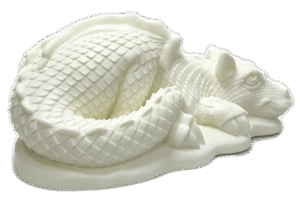
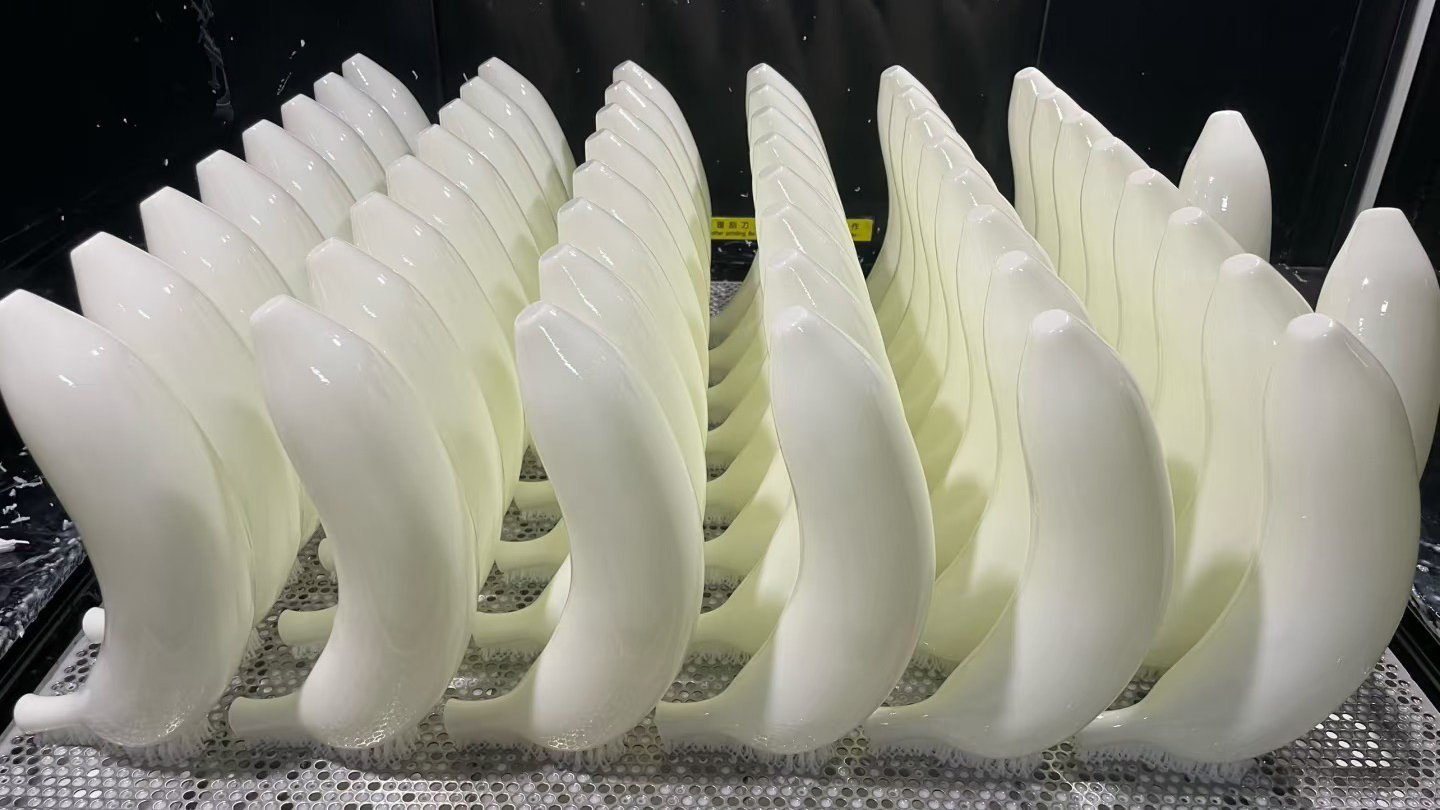
SLA (Stereolithography) 3D printing uses a UV laser of a specific wavelength and intensity to selectively cure liquid photopolymer resin layer by layer according to sliced 3D model data. By precisely controlling the curing process, each layer is bonded to the previous one to gradually build a complete three-dimensional part.
With high dimensional accuracy, excellent surface quality, fast build speeds, and a wide selection of resin materials, SLA 3D printing is an ideal solution for functional prototypes, visual models, custom parts, and low-volume production.
SLA 3D Printing Resin Material Specifications
| Property | Gray High-Temperature Resin | Black Resin | Tough Resin | Imported 9400 Resin | Transparent Resin |
|---|---|---|---|---|---|
| Heat Deflection Temperature (°C) @ 0.45 MPa | 99.6 | 69 | 58 | 39–52 | 52 |
| Dimensional Tolerance | 3‰ | 3‰ | 3‰ | 3‰ | 3‰ |
| Layer Thickness (mm) | 0.1 / 0.05 | 0.05–0.12 | 0.1 | 0.05–0.12 | 0.1 |
| Shore Hardness (D) | 85 | 86 | 86 | 76–88 | 83–85 |
| Impact Strength (J/m) | 34.4 | 29–34 | 37 | 32–38 | 24 |
| Elongation at Break (%) | 13–20 | 7–11 | 16 | N/A | 9 |
| Tensile Strength (MPa) / Tensile Modulus (MPa) | 40–44 / 1900–2090 | 41–58 / 2649–2731 | 51.2 / 2136 | 38–56 / 2589–2695 | 41.56 / 187.5 |
| Flexural Strength (MPa) / Flexural Modulus (MPa) | 64–69 / 2900–3220 | N/A / 2720–2790* | 93.5 / 2355 | 69–74 / 2692–2775 | 75.95 / 1740.56 |
Supported Surface Treatment
Sanding is used to remove support marks and surface imperfections. Without post-processing, SLA printed parts may have small support residues, support marks, scratches, slight edge shrinkage or warping, and uneven glossy areas. Sanding can effectively smooth and improve these surface imperfections.
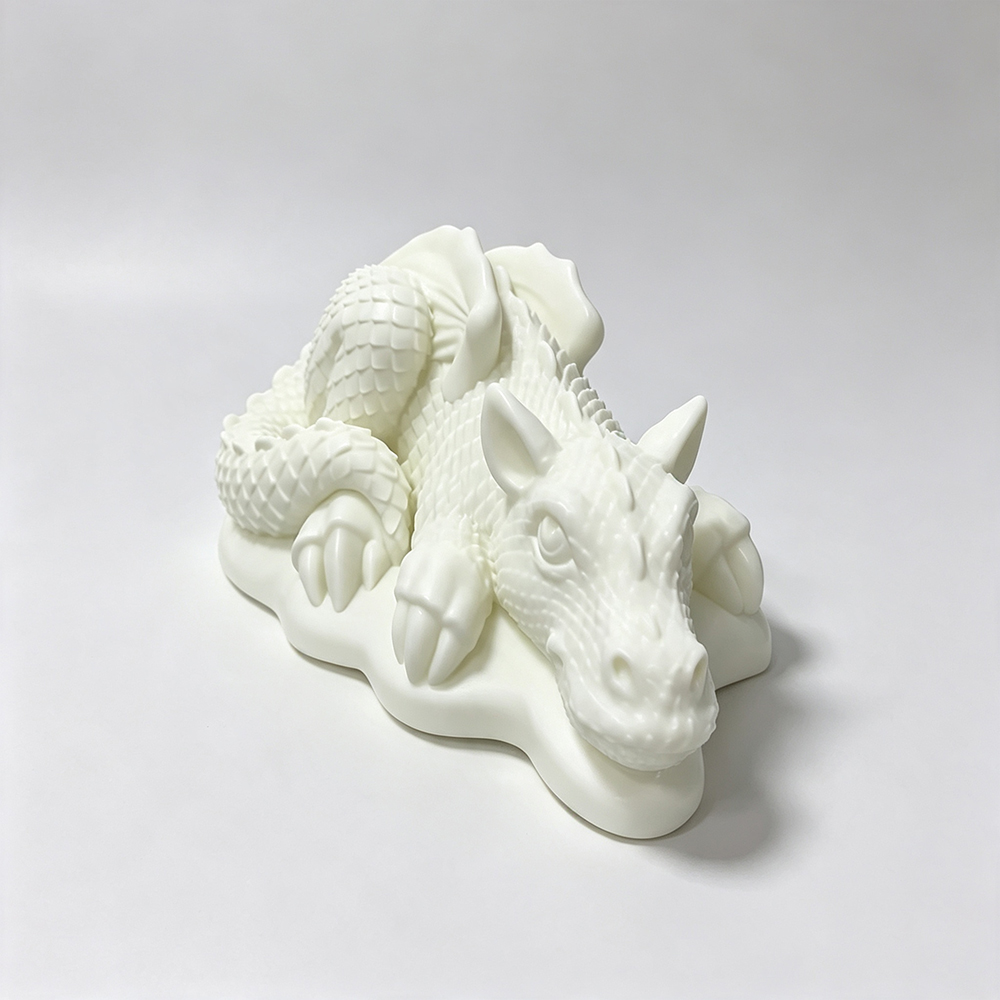
Polishing is used to further smooth the surface of SLA printed parts and reduce fine sanding marks, scratches, and surface imperfections. It creates a smoother, brighter, and more refined finish, making the parts suitable for visual prototypes, display models, and applications requiring a high-quality surface appearance.
Painting is used to add custom colors and finishes to SLA printed parts while improving their overall appearance. After surface preparation and primer application, parts can be painted in a wide range of colors and finishes, including matte, gloss, and metallic effects, to meet different visual and functional requirements.

Electroplating adds a thin metallic coating to SLA printed parts to create a durable and attractive metal finish. It can provide a smooth, reflective appearance while improving surface hardness, wear resistance, and overall durability.
Threaded inserts add durable metal threads to SLA printed parts, providing stronger and more reliable fastening points. They are ideal for parts that require repeated assembly, screw connections, or improved thread strength.
Applications
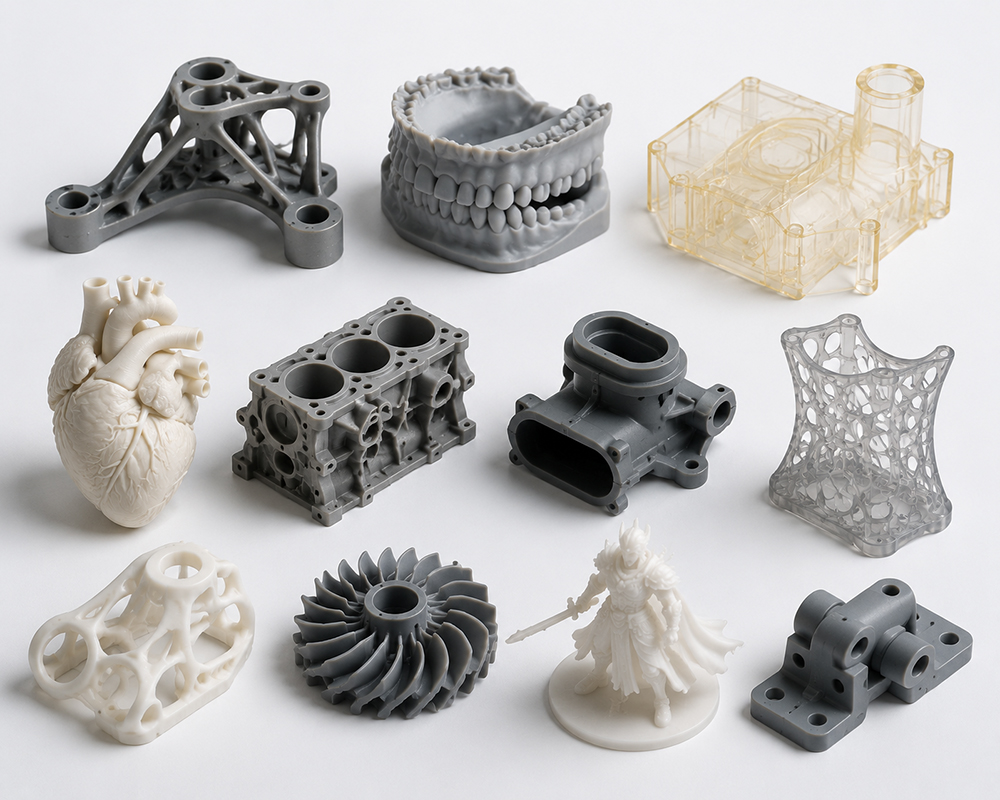
- Concept & Functional Prototyping
- Design Verification
- Visual Models & Presentation
- Custom Parts & Jigs
- Dental & Medical Models
- Dental & Medical Models
Start Your Project with TiProto
Looking for a reliable manufacturing partner? Get a fast & free quote now.